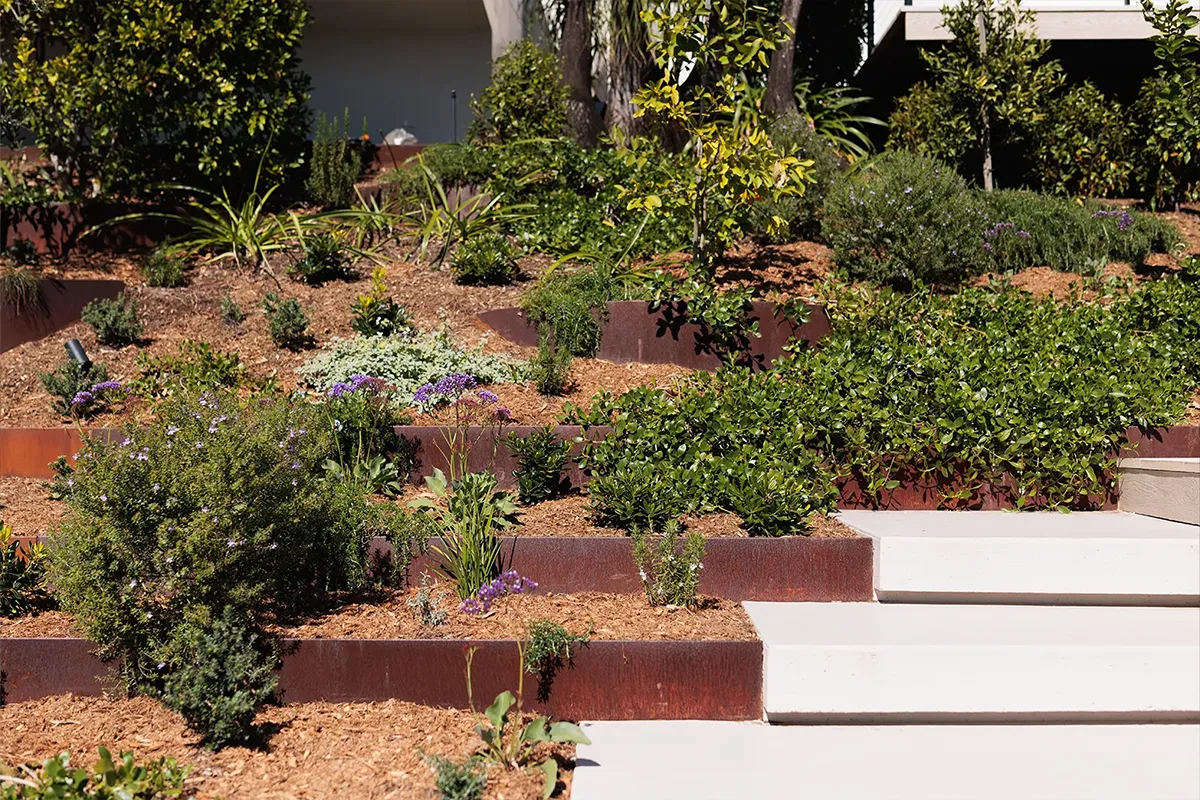
Brisbane's climate is a gift for gardens, right up until it isn't. The same warmth, humidity and summer rain that make things grow fast are also behind most of the reasons plants struggle here. A plant that would sail along in a milder climate can yellow, wilt or quietly give up when the heat, the heavy soil and the humidity all pile on at once.
The good news is that a struggling plant is usually trying to tell you something. Once you can read the signs, most problems trace back to a handful of common causes, and most are fixable. Here is what to look for, and what is likely going wrong underneath.
Before you can fix a plant, it helps to know what its symptoms point to. A few patterns come up again and again.
The same symptom can have more than one cause, which is why the fixes below start with the most common culprits.
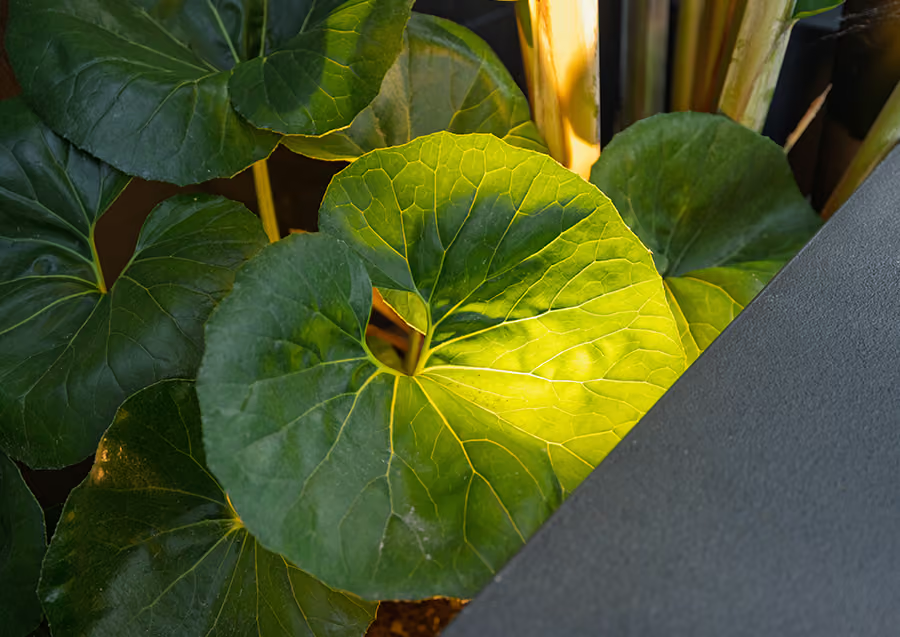
Watering is the number one reason plants struggle, and overwatering does more damage than under. When soil stays wet, roots can't breathe and begin to rot, which shows up as yellowing, wilting and a plant that looks thirsty even though the ground is soggy. In summer the opposite also bites, with pots and new plants drying out fast in the heat.
The fix is usually to water deeply but less often, so moisture reaches the roots and the soil dries a little in between. Good drainage matters just as much, so heavy ground may need improving, and a layer of mulch helps hold even moisture without waterlogging. If a plant is already sitting in wet soil and declining, easing off the water and checking the roots is the first move.
A lot of Brisbane sits on heavy clay, and it quietly causes more problems than people realise. Clay holds water, drains slowly and can lock up nutrients, so roots sit wet and still can't feed properly. The result is plants that never quite thrive no matter how carefully they are watered.
Improving clay is a long game, but a rewarding one. Working through plenty of compost and organic matter opens the soil up over time and improves drainage, while mulch on top keeps breaking down and adding to it. Soil pH plays a part too, since very acidic or alkaline soil stops plants taking up nutrients even when they are there. A simple soil test takes the guesswork out of what your ground actually needs.
When plants can't get the nutrients they need, it shows in the leaves. A general yellowing, especially on older leaves, often points to a nitrogen shortfall, while yellowing between the veins with the veins still green is a classic sign of an iron or magnesium issue, which is common in our soils.
Often the problem isn't a lack of fertiliser but soil that won't let plants take up what is there, which is why soil and feeding go hand in hand. A balanced feed suited to the plant and the season usually helps, but if the same deficiency keeps returning, it is worth having the soil and plant health assessed rather than guessing at products.
Brisbane's warmth means pests get going early and multiply fast. The usual suspects are aphids and scale clustered on stems and new growth, spider mites that leave fine webbing and stippled leaves, caterpillars chewing holes, and whiteflies that lift off in a cloud when disturbed. Most do their worst before you notice them, so catching them early is half the battle.
A regular walk through the garden is the simplest defence, checking the undersides of leaves where many pests hide. Minor outbreaks can often be managed by removing affected growth and treating with a horticultural oil or soap, and a healthy garden that attracts beneficial insects like ladybirds keeps a lot of pests in check on its own. Heavy or recurring infestations are a sign something bigger is off balance.
Humidity is wonderful for growth and equally wonderful for fungus. Powdery mildew is the most familiar, showing as a white, dusty coating on leaves, and black spot, rust and various leaf spots all thrive in warm, damp, still air.
Prevention does most of the work here. Good airflow between plants, watering at the base rather than over the foliage, and watering in the morning so leaves dry through the day all make a garden far less hospitable to fungus. Where disease has taken hold, removing and binning the infected foliage, rather than composting it, helps stop it spreading.
Plants also struggle from the conditions around them. A heatwave can scorch leaves and wilt even well-watered plants, an unseasonal cold snap can set back tender tropicals, and too much fertiliser can burn roots rather than help. Newly planted or recently moved plants are especially vulnerable, since transplant shock can leave them sulking for weeks while their roots settle in.
Most of this comes down to giving plants the best start and some protection at the extremes. Choosing the right plant for the right spot in the first place prevents a lot of struggle too, and that is really a design and plant-selection decision best made before planting.

If a plant is struggling but not gone, a simple sequence gives it the best chance.
Give it time, since recovery is gradual. If a plant keeps declining despite all this, the cause is usually in the soil or the roots.
Plenty of plant problems can be sorted at home. Some can't, and knowing the difference saves a lot of wasted effort and replacement plants. When plants keep dying in the same spot, when yellowing or disease spreads despite your best efforts, or when the soil itself seems to be the problem, it usually means something underneath needs expert eyes.
That is where Brooke's Blooms' horticulturists come in. A horticultural assessment of your soil and plant health gets to the actual cause on site rather than treating symptoms, and from there ongoing care keeps problems from creeping back. It is the same expertise behind gardens like Cactus House in Hamilton, where our team keeps a demanding palette of cacti and succulents healthy through Brisbane's humidity, managing the rot and pest risks that arid plants face in a subtropical climate.

A struggling garden is rarely a lost cause. More often it is a few conditions out of balance, the soil, the watering, a pest or the climate pushing too hard, and once the real cause is found, plants usually bounce back.
If your garden is fighting you more than it should, the team at Brooke's Blooms is glad to help you work out why. We look after gardens across Brisbane, the Gold Coast and the Sunshine Coast, from one-off diagnoses to ongoing care. Reach out and we will help you get yours thriving again.
Yellowing leaves most often mean overwatering or poor drainage, or a nutrient shortfall such as nitrogen, iron or magnesium that the plant can't take up. Yellowing between green veins points to a nutrient issue, while overall yellowing with soggy soil points to the roots. Checking the soil moisture first usually narrows it down.
Brown, crispy leaf tips or edges usually signal heat stress, underwatering or salt build-up from fertiliser. In Brisbane's summer, pots and new plants dry out fastest. Deep, consistent watering and a layer of mulch to hold moisture usually help, as does moving sensitive plants out of harsh afternoon sun.
Ease off the water and let the soil dry out. Check the roots, since healthy ones are firm and pale while rotting roots are soft, dark and smell off. Trim away the rotten roots and dead foliage, improve the drainage, and water only once the soil has dried a little. Badly affected plants may not recover.
Aphids, scale, spider mites, caterpillars and whiteflies are the usual culprits, and Brisbane's warmth lets them multiply fast. Check the undersides of leaves regularly to catch them early. Minor outbreaks respond to removing affected growth and treating with a horticultural oil or soap, while a garden with beneficial insects keeps many pests in check.
Powdery mildew is a white, dusty fungal coating that thrives in warm, humid, still air. Improve airflow around the plant, water at the base rather than over the leaves, and water in the morning so foliage dries during the day. Remove and bin affected leaves rather than composting them. Prevention is far easier than cure.
Brisbane's heavy clay holds water, drains slowly and can lock up nutrients. Improve it by working through plenty of compost and organic matter, which opens the soil and helps it drain over time, and keep mulch on top to break down and feed it. It is gradual, but it transforms how plants grow.
Check the soil and roots first, then adjust the watering to suit, easing off if it is waterlogged or soaking it if bone dry. Inspect for pests, prune away dead growth so the plant can focus its energy, and hold off feeding until it shows signs of recovery. Give it time, as recovery is gradual.
It depends on the plant, the soil and the season, but the principle is to water deeply and less often rather than a little every day, which encourages deeper, more resilient roots. Established gardens need less than new plantings, and most need more through summer heat and far less in the cooler, wetter months.

Award-winning commercial landscaping in Brisbane. Our team manages design, build & maintenance for hospitality venues, strata properties & more across SEQ.
Let us turn your garden into the serene space you’ve always dreamed of, where nature and the built environment seamlessly blend to create functional and beautiful spaces.